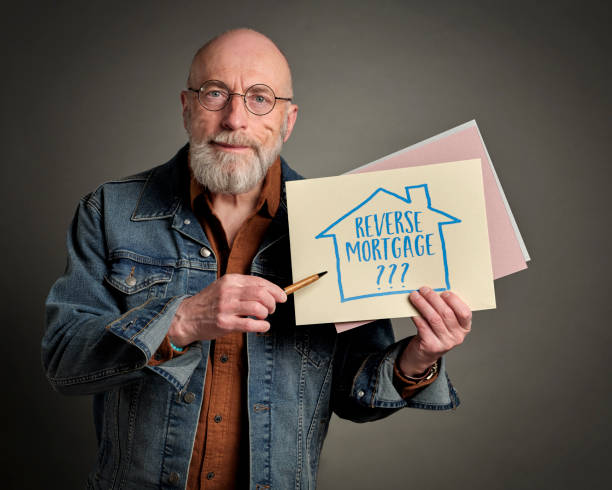
Senior Reverse Mortgage Options in Australia: How to Choose the Right Equity Release Solution
A senior reverse mortgage can be an effective way for older Australians to access the value tied up in their home without needing to sell or move out. As living costs rise and retirement savings stretch further than expected, more retirees are exploring equity release solutions to improve cash flow, cover healthcare expenses, or simply enjoy a more comfortable lifestyle.
However, not all reverse mortgages are the same. Different structures offer different levels of flexibility, control, and long-term impact. Understanding these options is essential before making a decision, especially because your home is often your most valuable asset.
This guide explains the main senior reverse mortgage options in Australia and helps you understand how to choose the right one based on your financial needs, lifestyle goals, and long-term plans.
What Is a Senior Reverse Mortgage?
A senior reverse mortgage is a loan available to older homeowners—typically aged 60 or 65 and over—allowing them to borrow money using their home equity as security.
Unlike a traditional home loan:
- You don’t need to make regular repayments
- The loan is repaid when you sell the home, move into aged care, or pass away
- Interest is added to the loan balance over time
This makes it a popular equity release option for retirees who want access to funds while continuing to live in their home.
In Australia, reverse mortgages are regulated to protect borrowers, including safeguards such as negative equity protection, which ensures you won’t owe more than your home is worth (subject to lender conditions).
Why Seniors Consider Reverse Mortgage Options in Australia
Many retirees explore a senior reverse mortgage for practical financial reasons, such as:
- Supplementing retirement income
- Paying medical or aged care costs
- Funding home renovations for ageing in place
- Supporting family members
- Managing debt consolidation
- Improving lifestyle and travel opportunities
As superannuation balances vary widely, home equity often becomes a key financial resource later in life.
But the right structure matters—because how you access your money affects long-term outcomes, interest accumulation, and financial flexibility.
The Main Types of Senior Reverse Mortgage Options in Australia
There are generally three primary ways funds can be accessed through a reverse mortgage. Each structure serves a different purpose depending on your financial situation.
1. Lump Sum Reverse Mortgage Option
A lump sum option allows you to access a portion of your home equity as a single upfront payment.
How it works:
You receive one large payout deposited into your bank account. This can be used immediately for major expenses or financial priorities.
Best suited for:
- Paying off existing debts
- Funding large home renovations
- Covering medical or aged care costs
- One-time financial needs
Advantages:
- Immediate access to funds
- Simple and easy to manage
- Useful for urgent or large expenses
Considerations:
- Interest starts accumulating on the full amount immediately
- Less flexibility once funds are used
- May reduce available equity for future needs
A lump sum is often chosen by seniors who need a clear, defined financial solution rather than ongoing access.
2. Line of Credit Reverse Mortgage Option
A line of credit is one of the most flexible senior reverse mortgage structures available in Australia.
How it works:
Instead of receiving all funds upfront, you are approved for a credit limit. You can withdraw money as needed, similar to a redraw facility or credit card, but secured against your home.
Best suited for:
- Ongoing living expenses
- Unexpected medical costs
- Gradual home modifications
- Maintaining financial flexibility in retirement
Advantages:
- Interest only accrues on funds used, not the entire limit
- Flexible access to funds over time
- Greater control over borrowing
Considerations:
- Requires disciplined use to avoid unnecessary withdrawals
- Available equity reduces as you draw more funds
- May require more active financial management
This option is popular among retirees who want security and flexibility without committing to a single large withdrawal.
3. Income Stream Reverse Mortgage Option
An income stream option provides regular payments over time instead of a lump sum.
How it works:
You receive scheduled payments—monthly or quarterly—based on your approved equity release amount.
Best suited for:
- Supplementing pension income
- Managing ongoing living expenses
- Creating predictable retirement cash flow
- Seniors who prefer budgeting stability
Advantages:
- Predictable, steady income
- Helps with budgeting and financial planning
- Reduces risk of overspending
Considerations:
- Less flexibility than a line of credit
- Total interest may accumulate over a longer period
- Fixed payment structure may not suit changing needs
This option works well for retirees who want consistent financial support rather than managing large sums.
Key Factors to Consider When Choosing a Senior Reverse Mortgage
Choosing the right senior reverse mortgage structure depends on more than just how you want to access money. It’s also about your lifestyle, health outlook, and financial priorities.
1. Your Current and Future Expenses
Start by assessing:
- Do you need a large amount now or ongoing support?
- Are your expenses predictable or irregular?
For example:
- A lump sum may suit urgent medical or renovation needs
- A line of credit may suit unpredictable future costs
- An income stream may suit stable monthly budgeting needs
2. Your Age and Home Equity Level
In Australia, the amount you can borrow depends on:
- Your age (older borrowers can typically access more equity)
- Property value
- Lender policies
Older retirees often qualify for higher release amounts, which can influence which option makes the most sense.
3. Long-Term Housing Plans
Ask yourself:
- Do you plan to stay in your home long-term?
- Might you move into aged care later?
- Do you want to preserve equity for your estate?
Your long-term plan affects how aggressively you should access equity.
4. Impact on Inheritance
A reverse mortgage reduces the equity in your home over time. This can affect the value passed on to heirs.
Some seniors:
- Use a conservative borrowing approach
- Combine different structures (e.g., line of credit + small income stream)
- Plan with family members in advance
5. Interest Accumulation Over Time
Since interest compounds, the longer you hold a reverse mortgage, the more the balance grows.
Key considerations:
- Lump sum = faster interest growth on full amount
- Line of credit = interest only on drawn funds
- Income stream = steady accumulation over time
Understanding this helps prevent surprises later.
Can You Combine Senior Reverse Mortgage Options?
Yes, many lenders in Australia allow a combination of structures.
For example:
- A small lump sum for immediate needs
- A line of credit for emergencies
- An income stream for monthly support
This hybrid approach is often used by retirees who want both flexibility and stability.
Common Mistakes to Avoid
When considering a senior reverse mortgage, avoid these common errors:
1. Borrowing more than necessary
Just because you qualify for a higher amount doesn’t mean you should use it all immediately.
2. Not planning long-term
Reverse mortgages are long-term financial commitments that should align with your retirement plan.
3. Ignoring compounding interest
Many seniors underestimate how quickly interest can grow over time.
4. Not seeking professional advice
A financial adviser can help structure the loan more effectively based on your situation.
Final Thoughts: Choosing the Right Senior Reverse Mortgage Option
A senior reverse mortgage can provide valuable financial freedom in retirement, but choosing the right structure is key. Whether you prefer a lump sum for immediate needs, a flexible line of credit, or a stable income stream, each option serves a different purpose.
The best solution depends on:
- Your lifestyle needs
- Your financial priorities
- Your long-term housing plans
- How much flexibility you want in accessing funds
By understanding how each option works, seniors in Australia can make informed decisions that support both financial security and peace of mind throughout retirement.