How Crypto Transactions Work
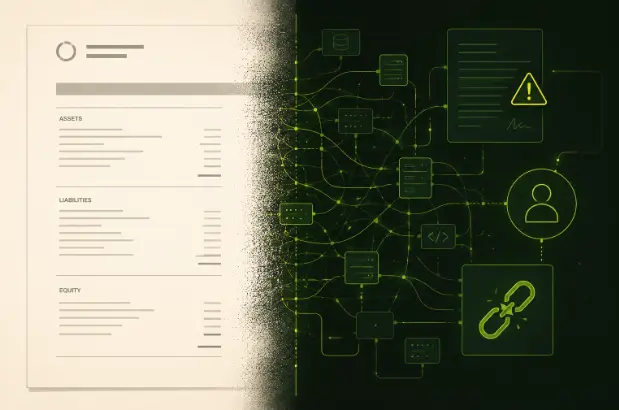
Crypto transactions unfold across distinct layers. A sender signs a transfer with private keys to authorize funds, then broadcasts the signed message to the network. Nodes validate syntax, signatures, and protocol rules before inclusion in a ledger segment. Fees and congestion influence timing and priority, while propagation ensures rapid dissemination. Confirmations accumulate as blocks are appended, making reversals unlikely; the ledger becomes transparent and auditable. The interplay between cryptography and networking raises practical questions worth pursuing.
How a Crypto Transaction Moves (Foundations of Cryptography and Networking)
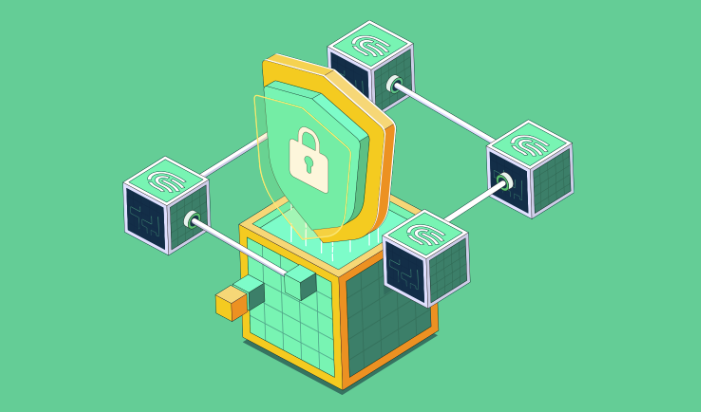
A crypto transaction moves through a layered sequence of cryptographic and network operations that authenticate the sender, authorize the transfer, and propagate the message to the network. In this stage, transfer encryption protects payload integrity while node propagation relays data across peers, ensuring rapid dissemination and redundancy.
This foundation emphasizes trustless coordination, security, and scalable communication within decentralized networks.
What Happens Under the Hood: Signing, Broadcasting, and Validation
Signing, broadcasting, and validation are the core operations that turn a signed transaction into a verifiable, propagating record across the network.
The signing workflow ensures authenticity and non-repudiation, employing cryptographic keys to authorize transfers.
Broadcast mechanics disseminate the transaction to peers, where validation checks syntax, signatures, and consensus rules before inclusion in a block or ledger segment.
How Fees, Timing, and Congestion Shape Transfers
Fees, timing, and network congestion jointly shape how transfers are prioritized, processed, and priced across blockchain systems.
The mechanism relies on fee markets, inclusion policies, and propagation delays, which influence queueing, block candidates, and confirmation risk.
Operators balance incentives against congestion, ensuring predictable throughput.
Fees and congestion, coupled with network propagation speed, determine effective transfer urgency and perceived transaction reliability.
From Sender to Recipient: Confirmations, Irreversibility, and Ledger State
In blockchain transfers, confirmations quantify the security of a transaction as it moves from sender to recipient, with each additional confirmation lowering the risk of reversal. The process culminates in irreversible confirmations as the transaction becomes embedded in the ledger state.
Networking foundations and cryptography basics underpin validation, consensus, and fault tolerance, ensuring transparent, auditable progress across decentralized systems.
Frequently Asked Questions
How Do Wallets Generate and Protect Private Keys?
Private keys are generated from entropy and stored with private key management practices, often in hardware security modules or wallets. They remain protected by secure enclaves, mnemonic backups, and passphrase layers, ensuring resistant against extraction and misuse.
Can I Recover a Crypto Wallet if I Lose Access?
Yes, recovery is possible in certain access loss scenarios through recovery options such as seed phrase restoration, hardware wallet backups, or custodial service recovery, though success depends on completeness of credentials and verification procedures; outcomes vary with risk considerations.
Do Different Networks Use the Same Transaction Format?
Cross Chain compatibility varies; different networks do not share a universal transaction format. Transaction serialization differs by protocol, necessitating adapters or bridges for interoperability while preserving security and autonomy in decentralized systems.
See also: VR Technology in Healthcare Therapy
What Happens to Unconfirmed Transactions in Mempool?
Unconfirmed mempool transactions remain pending until miners or validators select and include them in a block; network policies and fees influence prioritization, while transaction propagation delays affect how quickly peers learn about pending entries.
How Do Smart Contracts Affect Simple Transfers?
“Look before you leap,” notes the analysis: smart contracts modify simple transfers by adding conditional logic, causing potential delays and varied outcomes. They reveal smart contract limitations and gas pricing dynamics, shaping throughput and network resource competition for freedom-seeking users.
Conclusion
In sum, crypto transfers unfold as a disciplined cycle: authorization via private keys, broadcast for network validation, and inclusion in a growing ledger. Fees and congestion modulate urgency, while confirmations underpin irreversibility and auditability. Though some readers fear centralized control, the system’s design preserves trustless coordination through transparent state transitions and consensus rules. The result is a scalable, secure mechanism for peer-to-peer value transfer that remains resilient against single-point failures and manipulation.